Behind the Notebook.
Karove Notebook began as a record — a documented account of the relationship between everyday food choices, nutritional practice, and weight awareness. It remains that record. Independent, editorially rigorous, without commercial alignment, and without prescriptive framing.

An Editorial Record of Nutritional Practice
Karove Notebook is an independent editorial publication focused on everyday nutrition practices and weight awareness. The publication is not affiliated with any commercial, governmental, or institutional body. It operates under a single editorial principle: that nutritional observation, documented honestly and reviewed rigorously, is more useful to a reader than dietary instruction delivered without evidence.
The publication covers diet and weight from a nutritionist's perspective — examining eating patterns, portion awareness, the influence of seasonal produce on the weekly plate, and the intersection of sport and food rhythm. Content is evidence-informed and draws on published nutritional research, with sources cited where peer-reviewed literature is available.
Founded in London in 2026, Karove Notebook publishes articles at a pace that allows editorial quality to take precedence over frequency. There are no subscription fees, no sponsored content categories, and no commercial partnerships that would require disclosure under the publication's own editorial standards. The editorial position is maintained independently of external interests.
The name Karove has no particular referent in English. It was chosen for its phonetic distinctness — a short, pronounceable token that does not pre-commit the publication to any particular nutritional philosophy, geography, or tradition. The notebook is the form. The record is the function.
Writers and Editors
Harriet Pembroke is the primary editor of Karove Notebook. A qualified nutrition professional based in London, she has spent more than a decade documenting the relationship between everyday food choices, dietary pattern, and weight awareness. Her editorial approach emphasises observation over directive and nutritional evidence over popular dietary trends. She has contributed to and reviewed all articles published in the Karove Notebook archive.

Tobias Ashcroft is a contributing writer to Karove Notebook with a focus on the relationship between physical activity, daily movement, and nutritional patterns. Based in London, he draws on published dietary and exercise research to examine how active lifestyles influence food choices and weight balance over time. His writing emphasises observation and evidence over directive, and he contributes to the editorial review process for articles within his subject area.
What Karove Notebook Covers
Diet and Weight
How food choices accumulate into patterns that influence weight over time. The coverage centres on nutritional balance, portion awareness, and whole foods approaches. No prescriptive framing; observation and documented evidence only.
Seasonal and Whole Foods
The weekly rhythm of the plate as it shifts with the seasons. Coverage tracks how seasonal produce cycles influence nutritional variety, home cooking frequency, and the structural relationship between ingredient availability and dietary quality.
Movement and Lifestyle
Sport and activity level influence eating patterns, hunger timing, and food choices. Coverage examines the relationship between movement and the plate — how an active day reshapes eating rhythm, and how gradual weight balance relates to lifestyle over time.
What This Publication Does Not Do
Karove Notebook does not publish weight-loss programmes, restrictive diet protocols, or content framed as prescriptive dietary instruction.
The publication does not accept sponsored content, affiliated product placement, or paid editorial. No article is written or framed in exchange for commercial consideration.
Articles published on Karove Notebook do not constitute professional nutritional advice and are not intended as guidance for the management of any specific health condition.
The publication does not claim certainty where the nutritional evidence is contested. Where research findings are preliminary or contradicted by other published work, this is noted in the article.
No article uses language that implies rapid, dramatic, or unconditionally positive outcomes from any dietary approach. The nutritional literature does not support such claims, and the publication's editorial standards do not permit them.
The Notebook in Practice

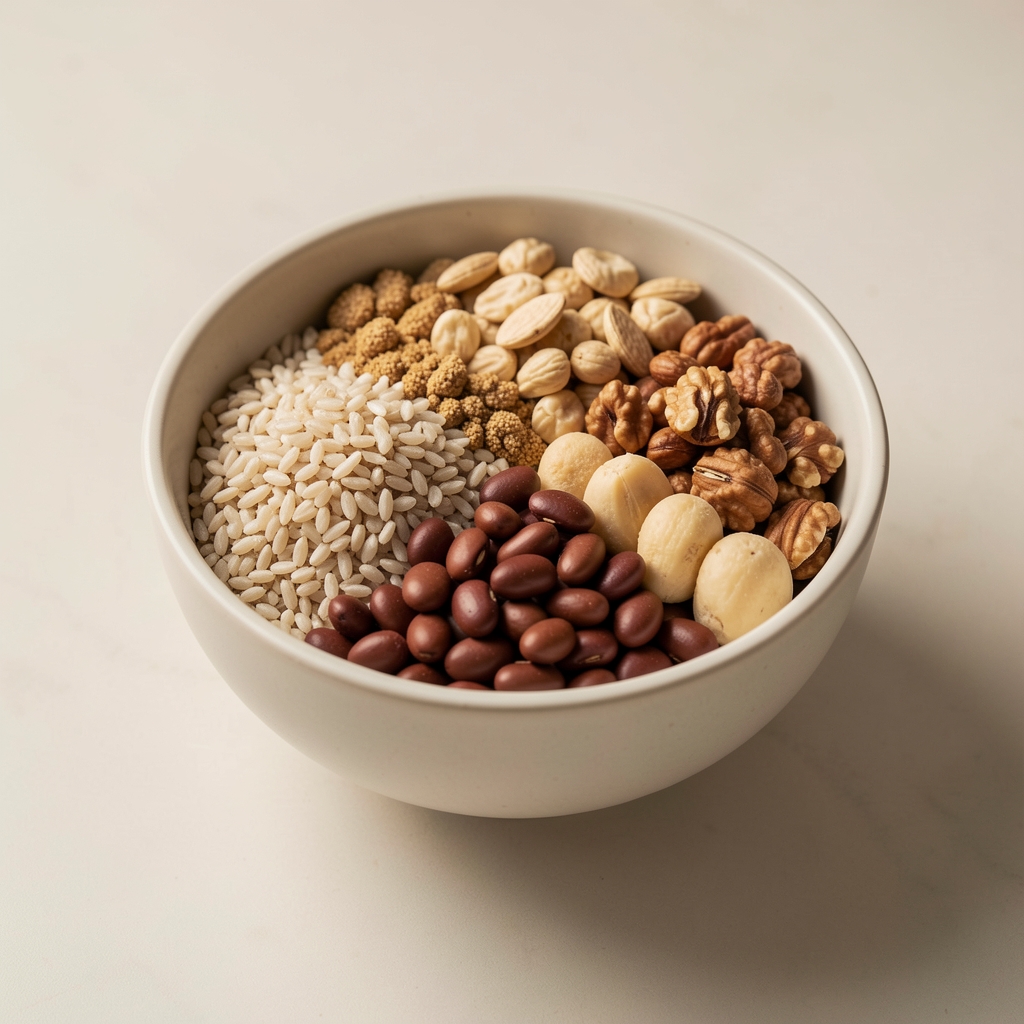
Articles published on Karove Notebook are editorial in nature and reflect the writers' observations on everyday nutrition practices and weight awareness. The content is not intended as professional advice, nor as guidance for the management of any specific condition. Readers with specific concerns about their daily routines are encouraged to speak with a qualified wellness professional.
Correspondence and Contributions
The publication accepts correspondence from nutrition professionals, researchers, and readers with documented observations relevant to the editorial scope. Contributions are reviewed editorially before any publication decision is made.